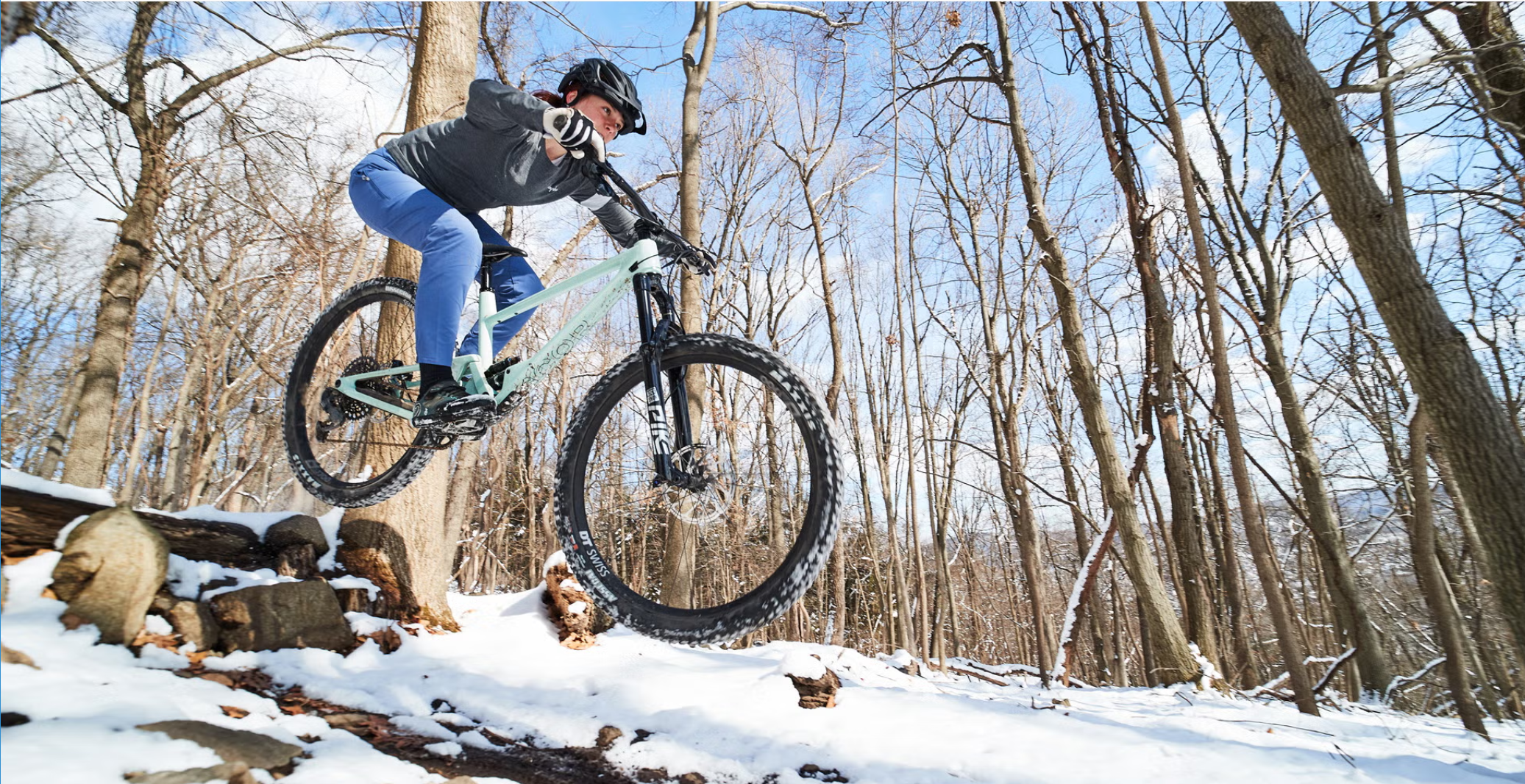
Winter cycling doesn’t mean giving up. Only by upgrading your gear and attitude can you continue to enjoy speed and scenery in the cold wind. This guide focuses on key points for choosing winter helmets and related gear, practical combinations, and maintenance methods to help you stay comfortable and safe in the cold season.
Safety Factors for Winter Cycling
- Warmth and Protection Go Hand in Hand
- Winter cycling involves lower perceived temperatures, biting wind, and changing road conditions. A suitable helmet with adequate protection and insulation can significantly improve comfort and safety. Prioritize helmets with good ventilation and protective designs, while also paying attention to warmth and a snug fit around the head.
- Visibility and Field of View
- In cold, bright light conditions, helmets with optional sun visors or bright colors are more easily spotted by other road users, reducing the risk of accidents.
- Rotation and Replacement Awareness
- Winter weather is more prone to fluctuating temperatures, making the durability and ease of maintenance of gear especially crucial. If a helmet has experienced a significant impact, it should be replaced as soon as possible to ensure safety.
Key Elements of Helmet Selection
- Safety Certification and Testing
Choose helmets with authoritative testing and certification. Read independent reviews and comparisons to understand the differences between models in impact energy absorption, rotational protection, etc. Helmet safety levels are especially important for high-speed or mountain riding in winter.
- Fit and Comfort
Size covering the entire head area, adjustable headbands, and rear adjustable wheels are key. Removable and washable linings, breathable design, and hygiene considerations during the pandemic should also be evaluated. A comfortable fit provides greater stability over longer wear.
- Balance of Ventilation and Insulation
Winter requires a balance between cold air protection and heat dissipation. A good ventilation layout allows for rapid heat release when heat builds up, keeping the head dry and comfortable. Some models also feature soft linings to enhance warmth in low temperatures.
- Weight and Stability
Lightweight design helps reduce neck fatigue, but excessive lightweighting may compromise structural strength. Winter riding often requires longer wear times, so a balance between weight and stability is essential. – Style and Practicality
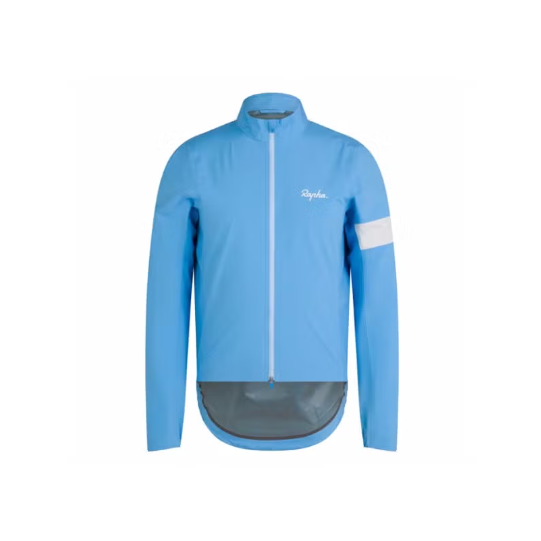
- The design, color, and compatibility with accessories such as rain gear, headlamps, and visors directly impact the willingness to wear a helmet daily. Choosing a helmet you’re willing to wear consistently and that’s easy to match with winter gear enhances both safety and enjoyment.
Winter Gear Combinations
- Layering Logic
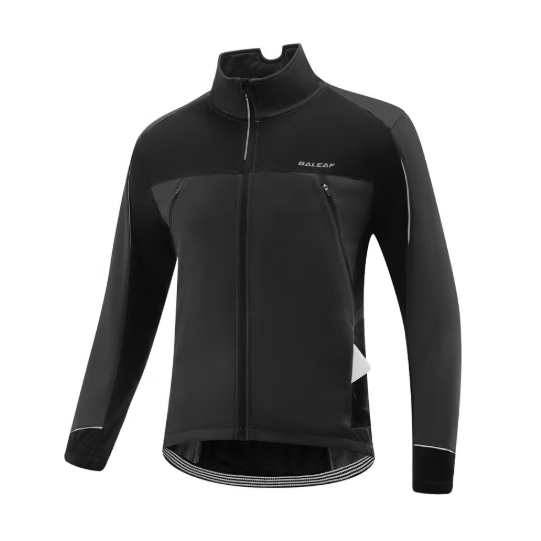
- Winter clothing should be layered, with head warmth achieved through a gradual transition from the helmet liner to a thin cap. The liner material should have good moisture-wicking properties to prevent sweat buildup and a feeling of cold.
- Rain and Wind Protection
- In rainy or damp weather, choose a helmet visor with a waterproof coating or windproof function to ensure your head stays warm and dry. In rainy or snowy conditions, the synergy between the helmet and eye protection is particularly important.
- Eye and Face Protection Synergy
- If wearing glasses or goggles, the helmet liner design and frame compatibility should be verified beforehand to avoid discomfort or pressure. Sufficient space should be provided between the visor and the helmet for minor adjustments.
- Portability and Storage
- Winter gear often requires carrying accessories (raincoats, gloves, socks, scarves, etc.). An excessively large and heavy helmet will increase carrying and transport costs. Choosing a helmet with good foldability or easy storage is beneficial for travel and commuting.
Usage and Maintenance Tips
- Correct Wearing Method
- Adjust the helmet position so that the forehead is slightly lower than the front edge of the head, the back of the skull is covered, and the strap fits snugly but not too tightly under the chin, ensuring it won’t easily fall off on bumpy roads. It should feel comfortable and not compress the neck.
- Cleaning and Maintenance
- The outer shell can be wiped with a mild detergent. If the lining is removable, it can be washed. Wash according to the manufacturer’s instructions and dry thoroughly. Avoid high temperatures, dryness, and strong sunlight to prevent material deformation or fading.
- Long-Term Maintenance
- If the helmet has been subjected to impact, it should be inspected according to the manufacturer’s instructions. If visible cracks, deformation, or loose adhesive parts are found, it should be replaced. Regularly check the functionality of the headband, buckles, and adjustment wheels to ensure reliable protection in winter rain and snow.
- Storage and Transportation
- Store in a dry, cool place, avoiding compression to prevent deformation. Use helmet bags or original packaging during transportation to reduce scratches and contamination.
Leave a Reply