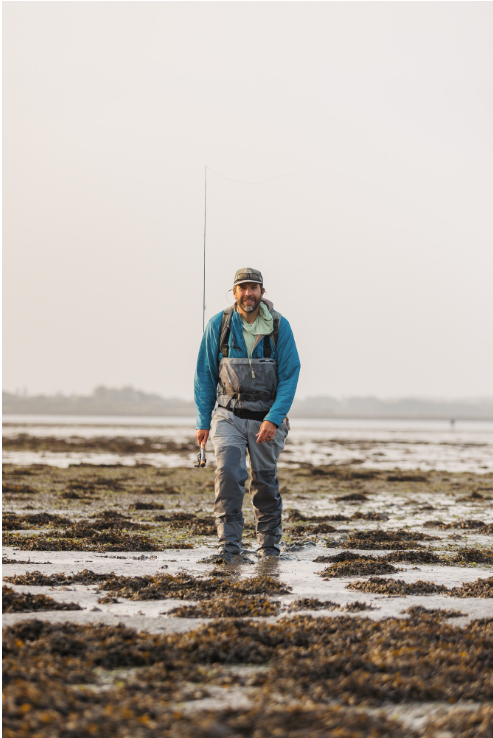
Trout Spey represents a more fluid two-handed rod fishing style, allowing anglers to navigate the midstream and tailwaters of streams with longer rods and finer line control. For anglers accustomed to one-handed rods, mastering this style requires a systematic approach: how to choose the rod, line, lines, and fly; how to achieve smooth casting and swinging in different water conditions; and how to communicate with the water through the rhythm of “swing, pause, set.” This article outlines the core points of this path in an easy-to-understand structure, helping you progress steadily on your learning journey.
Why Try Trout Spey?
- Expanded Visibility and Coverage
- Two-handed rods and longer lines allow anglers to cast and swing continuously over a wider area, covering different water layers and depths, making it suitable for casting and control in medium to large streams. By changing the line type and swing path, anglers can more flexibly respond to stratified currents and potential fish schools in dark waters.
- The Aesthetics of Line Fit and Rhythm
- Trout Spey is more than just a stacking of techniques; it’s a way of “dialoguing” with the water. Learning how to make flies glide, pause, and turn naturally in the water is often more effective at capturing the moment of a bite than simply pursuing long casts.
Basic Equipment and Matching Principles
- Rod Shaft and Weight Distribution
- Beginners should start with a medium-weight rod, choosing a two-handed rod that is easy to control and has smooth rotation. A longer rod may require some getting used to initially, but the leverage it provides helps improve casting performance and surface control.
- The Relationship Between the Line Tip and the Line Body
- Trout Spey lines typically consist of a running line and a shooting head, which must match the chosen Skagit or Scandi style head. Beginners can start by experimenting with these two common head types to gradually master depth control in different water conditions.
- Leader Line and Tippet System
- In a spey setup, leaders are often used in layers, with both floating and sinking options to adapt to different water depths and target layers. The tippet must match the size and weight of the flies to avoid excessive tension that could break the line or disturb the natural flow of the water.
Common Line Types and Leader Line Pairing Tippets
- Basic Differences Between Skagit and Scandi
- Skagits have a thicker head and shorter length, suitable for larger, heavier lures and deep-sea casting; Scandis have a thinner head and longer length, preferring a lighter, more natural surface feel. Choose according to your rod weight, target fish species, and familiarity with the water.
- Leader and Tippet Combinations
- In trout speys, combinations of leaders with different stiffness and elasticity are often used to achieve the ideal sinking depth and tippet feel. Beginners can start with a standard-length floating leader, gradually introducing a sinking leader and multi-stage connections to improve their control over water depth.
- Casting Depth and Water Conditions
- In deeper or stronger currents, a heavier shooting head and sinking leader are suitable to ensure flies reach the target depth. In calmer currents and more active fish, a lighter setup can be used for a more natural swing and hold.
Beginner Casting and Swing Techniques
- Basic Casting Rhythm
- Beginners are advised to start with a steady backswing, frontswing, and transition, focusing on the line’s contact point with the water, ensuring the line tip smoothly passes between your fingertips and rod tip. Gradually add simple swing lifts to help flies navigate potential reefs and shoreline obstacles.
- Swing Rhythm
- The core of swinging is to allow the lure to create a continuous and natural trajectory along the current. Pay attention to reflections and splashes on the water’s surface, adjusting the swing amplitude and hold time as needed to guide the fish’s attention.
- Agility in Line Adjustment
Learn to fine-tune between different depths and water layers, such as by changing the line angle, working line position, and adjusting the mend (finishing) after the throw, to make flies behave more like natural predators.
Water Area Recognition and Practical Training
- Water Layering and Signal Catching
- Mountain streams often have multiple water layers, and factors affecting water temperature and depth are significant. Learn how to identify light and dark zones in the current, rodent-infested areas on the bank, and shady areas to help you choose the appropriate swing path and throwing angle.
- Gradual Practice Route
- Beginners can start with short distances and low-resistance water areas, gradually expanding to wider channels and tailrace areas. Each practice session should have clear goals, such as depth, speed, and dwell time, to develop a stable skill curve.
Common Problems and Practical Advice
- Common Mistakes for Beginners
- Pursuing long throws too early while neglecting line load and water surface presentation. Prioritize stable swings and a correct understanding of the water area, gradually transitioning to greater distances. Patience and repetition are the cornerstones of progress.
- Equipment Maintenance and Care
- Spey equipment requires high levels of cleanliness and lubrication, especially at line connections, hinges, and clamps. Keep them dry, regularly inspect worn parts, and replace them promptly when necessary to avoid malfunctions in the wild.
The Mindset for Travel and Learning
- The Value of Guides and Experience
- In unfamiliar waters, the insights of experienced guides and local anglers can often shorten the learning curve and provide more practical skills. Recording key observations from each camping trip and every conversation by the water is a valuable accumulation for continuous improvement.
- Recording and Review
- Take brief notes on factors such as water conditions, propon fly performance, line setup, weather, and water temperature for each trip, creating a personal practice file for later review and improvement.
The path to learning Trout Spey is a journey of learning from the water. It requires patience, observation, and reverence for nature, as well as systematic equipment setup and continuous fine-tuning in practice. May you find your own rhythm and the first ideal fish shadow in the Alpine-like waterways.
Leave a Reply