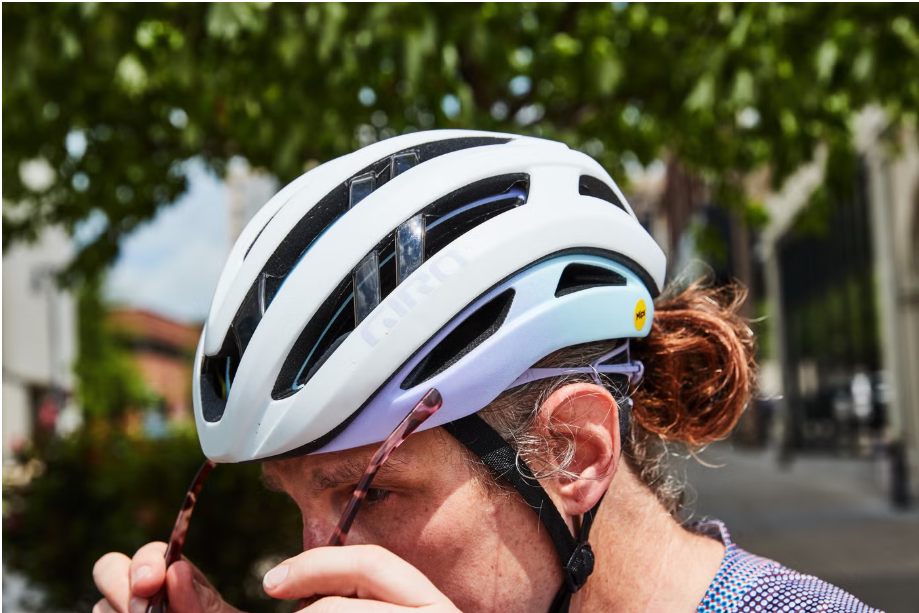
At the intersection of highways and mountain trails, a suitable helmet is more than just protective gear; it’s a commitment to personal safety and comfort. This guide focuses on road helmets ranging from cost-effective to professional-grade, combining the latest reviews and practical test findings to help readers choose the perfect helmet for their budget, climate, and riding style. The article is structured, from core points to comparisons of specific models, striving for original content ready for publication.
How to Choose a Helmet: Core Principles
- Safety Certifications and Testing
- Prioritize helmets with authoritative safety certifications, such as ratings and certificates from independent testing organizations. Reading reviews from different laboratories on impact absorption, rotational impact protection, and other dimensions helps understand the differences in helmet performance in real-world collisions.
- Fit and Comfort
- The fit of a helmet determines its stability and comfort. Choose helmets with various sizes, adjustable straps, and headrest designs to ensure no pressure or heat buildup during extended wear.
- Ventilation vs. Weight Balance
- Ventilation design directly impacts heat dissipation and comfort during long-distance riding. Lightweight construction helps reduce neck strain, but structural strength must not be sacrificed for safety due to weight reduction. A comprehensive evaluation of ventilation, weight, and the design of the Aero interface is crucial.
- Usage Scenarios and Style
- Road riding, gravel riding, and commuting all require different helmet features. If frequently riding in high-temperature environments, prioritize heat dissipation and breathability; if frequently gliding on technical mountain roads, prioritize stability and protection. Brand and style also influence long-term wearing motivation, so choosing a style that matches personal aesthetics and wearing habits is equally important.
Fundamentals Affecting the Riding Experience
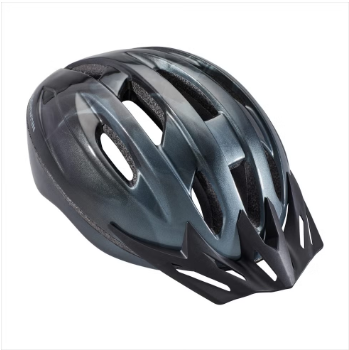
- Protection Level and Materials
- Most high-end helmets utilize multi-layered structures and new materials (such as microporous structures, low-density foam, and shock-absorbing materials) to provide superior energy dispersion and continuous protection. Spin protection technologies like MIPS appear as additional safety features in some models. Different material and structural combinations directly affect weight and ventilation.
- Size Selection and Adjustability
- From sizes S, M, L, etc., to adjustable systems, choose helmets that cover a wide range of the head to ensure a stable fit even as head volume changes with the seasons.
- Overall Wearing Experience
- Quick-adjustable straps, removable and washable linings, visor and glasses compatibility, and rain vision and rain gear strategies all affect the daily wearing experience.
Helmet Categories and Key Features Comparison
- High-Performance Road Helmets
- Focus: Extreme breathability, lightweight, aerodynamic design. Suitable for riders seeking speed, long commutes, or high-intensity training. Key features include efficient ventilation channels, lightweight materials, and easily adjustable lacing systems.
- All-Round Helmets
- Focus: High versatility, balancing versatility and safety, suitable for daily commutes and various scenarios. Key features include a reliable protection level, good fit, and multiple color options.
- Entry-Level and Value-for-Money Helmets
- Focus: Basic safety and comfort, affordable price, suitable for beginner riders or users with limited budgets. Key features include reasonable weight, basic breathability, and an easy-to-clean liner design.
- Specialized/Scene-Specific Helmets
- Focus: Special designs for mountain, off-road, or extreme weather conditions. Key features include a non-slip headband, wind and snow protection, and details compatible with helmet lights and visors.
Price Range Recommendations
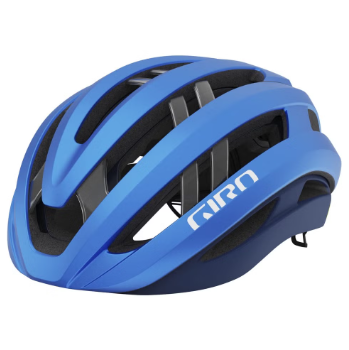
- Low-Price Range (Entry-Level)
- Suitable for beginners and daily commuting needs, focusing on wearing comfort, basic protection, and head fit. Safety certifications and basic functions are usually available at a lower cost.
- Mid-Range/Value-for-Money Range
- Finding a balance between price and performance, focusing on breathability, lightweight, and multiple sizes of coverage. Suitable for riders who want to enhance their experience while controlling their budget.
- High-End/Professional Range
- Pursuing ultimate breathability, extreme weight, and higher levels of spin protection and material craftsmanship. Suitable for racing, professional training, or riders with extremely high comfort requirements. These helmets typically have leading advantages in wind tunnel testing, material selection, and detail finishing.
How to Wear and Maintain the Helmet Correctly
- Wearing Guidelines
- Ensure the helmet covers the forehead, top of the head, and back of the head, following the manufacturer’s guidelines for height. Adjust the chin strap for a secure but not too tight fit to avoid obstructing blood circulation to the head.
- Cleaning and Maintenance
- The helmet shell can be cleaned with a mild detergent; the liner is removable and washable. Avoid exposure to high temperatures and direct sunlight or placing it in a humid environment to maintain material properties and structural stability.
- Precautions During Use
- Replace the helmet immediately if it experiences impact or significant deformation during exercise. Regularly check the wear and tear on fasteners, seams, and the headliner, replacing them as needed. If the wearer experiences head discomfort or a change in size, a new model and size should be assessed.
Leave a Reply